Introduction
Recovering from an injury is rarely only about reducing pain. For many people, recovery means being able to return to work, exercise comfortably, lift their children, participate in sport or move through everyday life with greater confidence.
That is why effective rehabilitation should be connected to the individual person, not only to a painful body part.
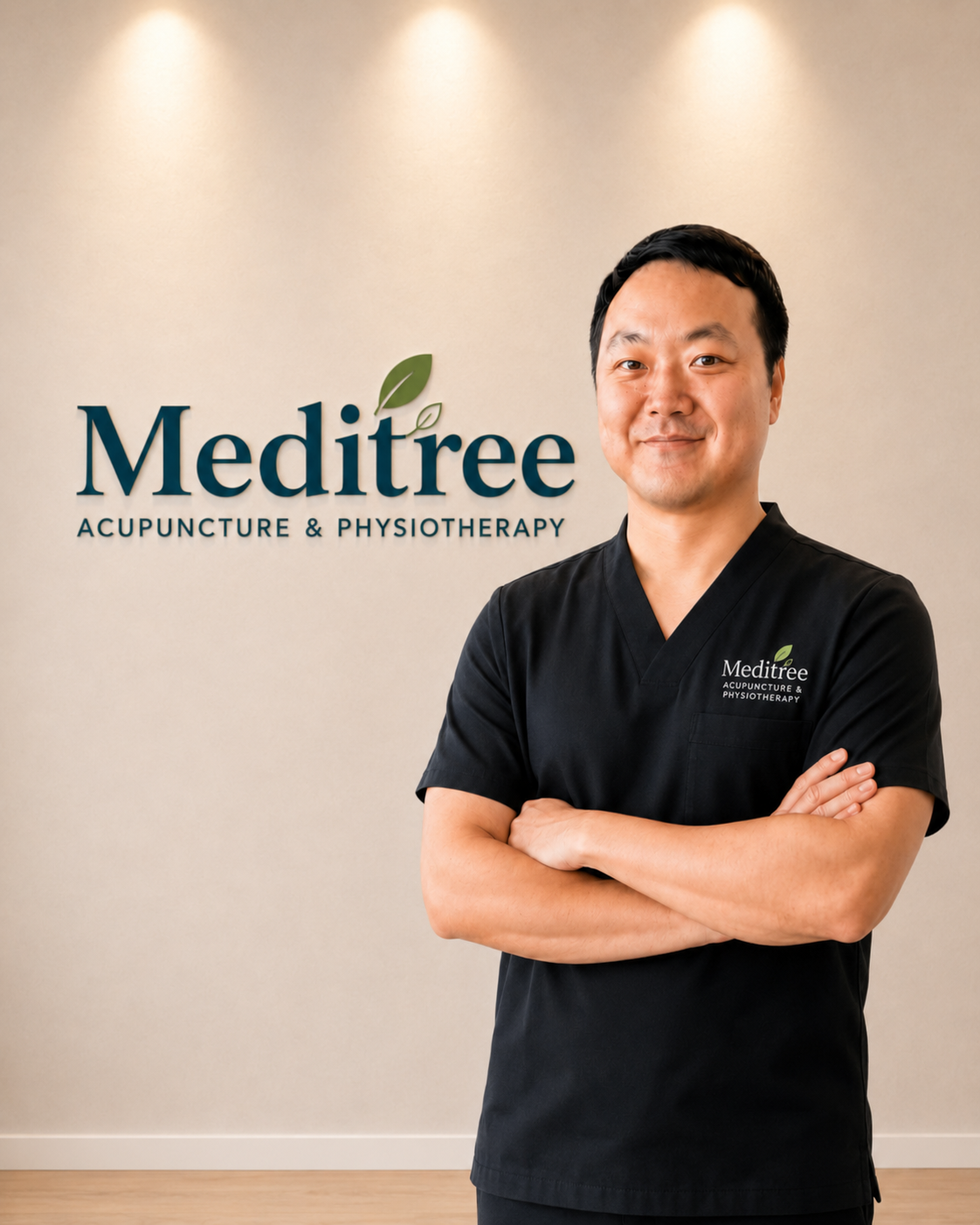
Meditree is pleased to welcome Jay, an AUT-trained physiotherapist with a strong interest in musculoskeletal physiotherapy and exercise-based rehabilitation. His approach combines careful assessment, evidence-based physiotherapy, hands-on treatment and personalised exercise programmes to help patients work towards meaningful and sustainable recovery.
Based at Meditree Acupuncture & Physiotherapy in East Tamaki, Jay supports patients from across East Auckland who are experiencing injury, pain, reduced mobility or difficulty returning to the activities that matter to them.
Quick Summary
Jay is an AUT-trained physiotherapist based at Meditree in East Tamaki.
He has a strong interest in musculoskeletal care and exercise-based rehabilitation.
His treatment approach may combine assessment, hands-on care, education and personalised exercises.
Rehabilitation is adjusted to the patient's symptoms, goals, lifestyle and current ability.
The aim is not simply to manage symptoms, but to improve movement, strength, function and confidence over time.
Meet Jay
Jay completed his Bachelor of Health Science in Physiotherapy at Auckland University of Technology. He also holds a Level 4 Health and Fitness Coach qualification from the New Zealand Institute of Sport.
His physiotherapy and fitness background supports his interest in how movement, strength and progressive exercise can contribute to rehabilitation.
Jay is passionate about helping people recover from injury, restore movement and return to the activities they enjoy. Rather than applying the same programme to every patient, he takes time to understand the individual's concerns, goals, lifestyle and rehabilitation needs.
For one person, the priority may be returning to work without pain. For another, it may be rebuilding confidence after an injury, returning to the gym, participating in sport or managing everyday movements more comfortably.
This individual context helps guide the assessment and rehabilitation plan.
What Does Patient-Centred Physiotherapy Mean?
Patient-centred physiotherapy recognises that two people with a similar injury may need different rehabilitation plans.
Their symptoms may be different. Their work demands may be different. Their previous activity level, confidence, available time and recovery goals may also be different.
A patient-centred approach may consider the movements or activities that are currently difficult; how symptoms affect work, exercise, sleep or daily life; the patient's previous injuries and general health; what the patient hopes to return to; current strength, mobility and movement tolerance; practical barriers that may affect rehabilitation; and the patient's concerns or uncertainty about movement.
Jay uses this information to develop a plan that is realistic, understandable and connected to the patient's own goals.
The patient is not treated as a passive recipient of care. Education, communication and active participation are important parts of the rehabilitation process.
What Is Exercise-Based Rehabilitation?
Exercise-based rehabilitation uses carefully selected movement and exercise to support recovery and improve function.
This does not necessarily mean completing an intense workout. The exercises should be appropriate for the person's current condition, symptoms and ability.
A rehabilitation programme may focus on restoring comfortable movement; improving joint mobility; rebuilding muscle strength; improving balance or coordination; increasing tolerance for work or daily activity; preparing for a gradual return to sport or exercise; improving confidence in previously painful movements; and reducing the likelihood of repeated aggravation.
The starting point should be manageable.
As strength, movement and confidence improve, the programme can be progressed gradually. Exercises may be adjusted according to the patient's response rather than following a rigid, one-size-fits-all plan.
Why Active Participation Matters in Rehabilitation
Hands-on treatment may help manage symptoms and improve movement, but rehabilitation often continues beyond the treatment room.
The way a patient understands the problem, responds to symptoms and participates in an appropriate exercise programme can influence the recovery process.
Jay believes that patients should understand what the assessment suggests; why particular exercises have been selected; what level of discomfort may or may not be appropriate; how exercises should be performed; how frequently they should be completed; how the programme may progress; and when the treatment plan should be reviewed.
Clear explanations can make rehabilitation feel less confusing and help patients participate with greater confidence.
The purpose is not to give patients an overwhelming list of exercises. A smaller number of relevant, achievable exercises is often more practical than a complicated programme that is difficult to maintain.
How Hands-On Treatment and Exercise May Work Together
Physiotherapy does not always rely on one single treatment method.
Depending on the assessment and the patient's needs, a physiotherapy session may include movement and functional assessment; hands-on treatment; mobility work; exercise instruction; strength or control exercises; advice about activity modification; education about symptoms and recovery; and planning a gradual return to normal activity.
Hands-on treatment may be used when clinically appropriate to help manage symptoms or support movement.
Exercise-based rehabilitation then gives the patient an active way to continue working towards improved strength, movement and function between appointments.
Not every patient requires the same balance of treatment. The approach should reflect the assessment, current symptoms and rehabilitation goals.
When Might Physiotherapy Be Helpful?
People seek physiotherapy for many different reasons.
Depending on the individual assessment, physiotherapy may be relevant for people experiencing back or neck pain; shoulder, elbow or wrist discomfort; hip, knee or ankle concerns; muscle or joint injuries; sports-related injuries; reduced mobility after an injury; difficulty returning to exercise; weakness or reduced confidence following pain; repeated aggravation during work or activity; or movement limitations affecting daily life.
These symptoms can have different causes, and the most suitable treatment depends on a proper assessment.
The purpose of physiotherapy is not simply to apply a treatment to the location of pain. It is also to understand how the symptoms affect movement and function, and what steps may help the patient move forward safely.
What to Expect at Your First Physiotherapy Appointment
A first appointment is an opportunity to understand both the physical concern and the patient's wider goals.
The appointment may include questions about when the symptoms began; how the injury occurred, if known; which movements or activities aggravate the symptoms; how the problem affects work, exercise or daily life; previous treatment or injuries; current exercise and activity levels; and what the patient hopes to achieve.
Jay may then assess relevant movement, mobility, strength and function.
After the assessment, he will explain the findings in clear language and discuss an appropriate treatment plan. Where suitable, the first appointment may also include hands-on treatment, initial exercises or practical advice.
Patients are encouraged to ask questions. Understanding the treatment plan is an important part of participating confidently in rehabilitation.
Restoring Movement, Strength and Confidence
Pain can change the way people move.
Some people begin avoiding movement because they are concerned about making the problem worse. Others may return to demanding activity before sufficient strength or tolerance has been rebuilt.
Rehabilitation often involves finding an appropriate middle ground.
The aim is to gradually restore movement and capacity without ignoring the patient's symptoms or pushing beyond what is appropriate.
Depending on the patient, this may involve relearning comfortable movement patterns; improving control during everyday tasks; rebuilding strength around an injured area; increasing tolerance for repeated activity; progressing from basic exercises to more functional tasks; and preparing for work, gym or sport-specific demands.
Confidence often develops through repeated experiences of safe, achievable progress.
Supporting Long-Term Recovery
A short-term reduction in symptoms can be encouraging, but rehabilitation should also consider what the patient needs for the future.
Long-term recovery may involve improving strength, movement tolerance, exercise habits and understanding of how to respond if symptoms fluctuate.
Jay works with patients to develop practical strategies that can continue beyond formal treatment.
This may include a manageable home exercise programme; guidance on progressing activity; advice about returning to work or exercise; strategies for responding to temporary symptom flare-ups; identifying movements or habits that may need modification; and building a sustainable strength and movement routine.
Recovery is not always completely linear. Some days may feel easier than others.
A clear plan helps patients understand what progress can look like and when reassessment may be appropriate.
Physiotherapy in East Auckland at Meditree
Meditree Acupuncture & Physiotherapy provides physiotherapy and complementary healthcare services from its East Tamaki clinic.
Our approach is based on listening carefully, explaining treatment clearly and developing care around the individual patient.
Jay's interest in musculoskeletal physiotherapy and exercise-based rehabilitation strengthens Meditree's ability to support patients who want to recover movement, rebuild strength and return to meaningful activity.
Patients can receive care in a professional, supportive and welcoming environment, with treatment plans developed according to their assessment and personal goals.
Jay's Qualifications
Bachelor of Health Science (Physiotherapy), Auckland University of Technology
Health & Fitness Coach (Personal Trainer) Level 4, New Zealand Institute of Sport
Frequently Asked Questions
Below are answers to common questions about exercise-based physiotherapy and what to expect from rehabilitation at Meditree.
Is exercise-based physiotherapy only for athletes?
No. Exercise-based rehabilitation can be adapted for many different people and activity levels. The exercises should reflect the patient's current ability, daily activities and recovery goals.
Will I receive exercises to complete at home?
A personalised home programme may be recommended when appropriate. The number, difficulty and frequency of exercises should be based on the assessment and adjusted as recovery progresses.
Does physiotherapy always involve hands-on treatment?
Not necessarily. Hands-on treatment may be included when clinically appropriate, but physiotherapy may also involve assessment, education, movement retraining, strengthening and activity planning.
How many physiotherapy sessions will I need?
There is no single answer. The number of appointments depends on factors such as the nature of the concern, symptom duration, rehabilitation goals, response to treatment and ability to participate in the programme.
What should I wear to a physiotherapy appointment?
Wear comfortable clothing that allows the relevant area to be assessed and permits easy movement. Bringing any relevant referral, imaging report or previous treatment information may also be helpful.
Can I ask questions about my rehabilitation plan?
Yes. Patients should understand their assessment, treatment options and exercise programme. Jay encourages patients to ask questions and participate actively in decisions about their care.
Ready to Take the Next Step?
Pain, injury or reduced mobility can make everyday activities feel uncertain. A physiotherapy assessment can help clarify what may be contributing to the problem and identify practical next steps.
Book a physiotherapy appointment with Jay at Meditree Acupuncture & Physiotherapy in East Tamaki.
Medical disclaimer
This article is for general educational purposes only and does not replace personalised medical advice. If your symptoms are severe, worsening, or concerning, please seek professional medical assessment.
Written by: Meditree Clinical Team
Meditree Acupuncture & Physiotherapy
East Auckland
Related treatments
Learn more about the services discussed in this article.
Related conditions
Explore condition-specific information that may relate to this article.
Book a consultation
If you would like personalised advice, our team can help you decide whether acupuncture, physiotherapy, herbal medicine or ACC-supported care may be suitable.
Relevant services
Related articles
Continue reading with related health articles from Meditree.
Lower Back Pain Treatment in East Auckland: Physiotherapy, Acupuncture and ACC Support
Struggling with lower back pain? Learn the common causes, treatment options, physiotherapy, acupuncture and ACC support available in East Auckland.
Read moreSciatica Treatment in East Auckland: Physiotherapy, Acupuncture and ACC Support
Learn what causes sciatica, how physiotherapy and acupuncture may support recovery, and when ACC treatment may apply in East Auckland.
Read moreShoulder Pain Treatment in East Auckland: Acupuncture, Physiotherapy and ACC Support
Learn common causes of shoulder pain, treatment options, physiotherapy, acupuncture and ACC rehabilitation available in East Auckland.
Read moreKnee Pain Treatment in East Auckland: Physiotherapy, Acupuncture and ACC Support
Learn the common causes of knee pain, treatment options, physiotherapy, acupuncture and ACC rehabilitation available in East Auckland.
Read more